Houses of Safety
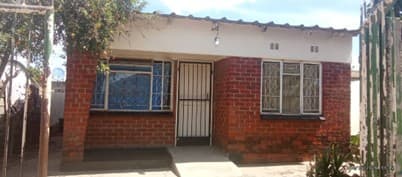
Mashambanzou Care Trust (MCT) plays a crucial role in providing care and support for vulnerable children in Zimbabwe. One of its key initiatives is the establishment of Houses of Safety, which serve as temporary homes for orphaned and vulnerable children (OVC) who are survivors of abuse whilst the Department of Social Development maps a way forward for their safe keeping.
In collaboration with the Department of Social Development, family assessments are conducted before placement of these children in houses of safety.
Care & protection
- Temporary safe accommodation
- Family assessment and placement planning
- Coordination with Social Development
Safety, learning and opportunity
We protect children, strengthen households and expand access to education—supporting vulnerable children and survivors of abuse through practical services and community accountability.
Education for Life
Support that helps children remain in school and thrive.
OVC support
Support for orphans and vulnerable children to reach their potential.
NECDC
Early childhood care, meals and basic education for vulnerable children.
Houses of Safety
Temporary safe homes for children at risk while plans are made.
Child protection
Community safeguarding, awareness and accountability mechanisms.

Education for Life & OVC support
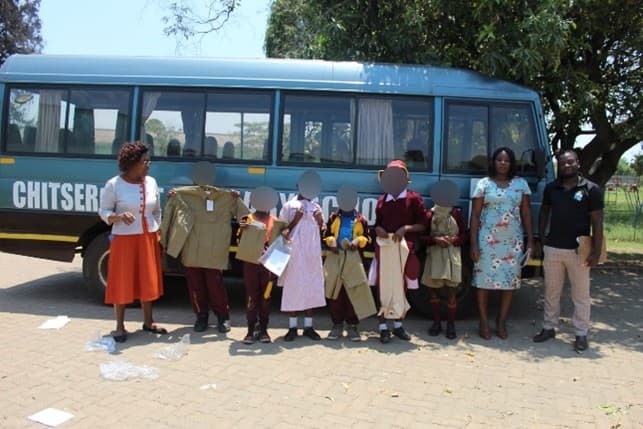
MCT’s areas of implementation are characterised by extreme poverty where parents/guardians cannot afford to pay school fees for their children. To address this challenge, MCT initiated various projects to offer support ranging from school fees payments, provision of school uniforms and other learning materials, and registration of birth certificates and national identity cards.
The government of Zimbabwe encourages access to basic quality education for every child through BEAM (Basic Education Assistance Module). However, BEAM funding is not adequate to assist every orphan and vulnerable child—so, to complement government efforts, MCT initiated the Education for Life project.
Early childhood care for vulnerable children
Established as the Nenyere Day Care Centre (NDCC), now known as the Nenyere Early Child Development Centre (NECDC), the centre is registered under the Ministry of Primary and Secondary Education. It offers orphans and vulnerable children at least two hot meals a day and basic education while their parents or guardians work for livelihoods.
Child protection
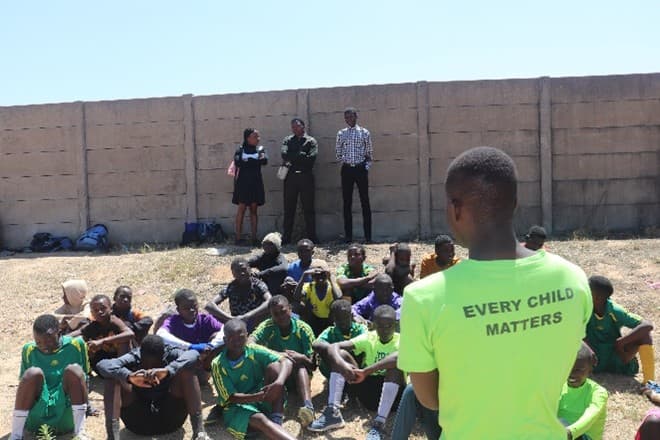
Mashambanzou Care Trust is actively promoting child protection and safeguarding of children's rights through a comprehensive, community-based approach. Key activities include establishment and training of School-Based Child Protection Committees comprising of learners, and empowering educators and school staff to identify, prevent, and respond to child protection concerns.
%20copy.jpg&w=3840&q=75)
Protecting children in marginalised communities
This Caritas Australia/CAFOD-funded initiative operates in Southern Harare (Mbare, Hopley, Glen Norah), focusing on healthcare, child protection and the rights of children in severely marginalised communities.
Help keep children safe and learning
Your support helps us provide protection pathways, safe placements, education support and community-based safeguarding.